
You can’t guess your way to better sleep.
I know—because I tried.
As a physician and mental fitness coach, I thought I had nailed my sleep hygiene. No caffeine. Consistent bedtime. Dark, quiet room. Seven to eight hours in bed each night.
But every morning, I still woke up exhausted. Foggy. Frustrated.
That gnawing self-doubt started whispering:
“What am I missing?”
“Why don’t I feel refreshed?”
If you’re like most high-achievers I work with—physicians, entrepreneurs, executives—you’ve probably felt this too. You follow the “rules,” but your energy is drained before the day begins.
You blame yourself. Maybe you even think you’re just “not wired” for restful sleep.
But here’s the truth: sleep is not just about how long you’re in bed. It’s about quality, consistency, and what happens before and after your head hits the pillow. Using data can help you refine your sleep—not guesswork.
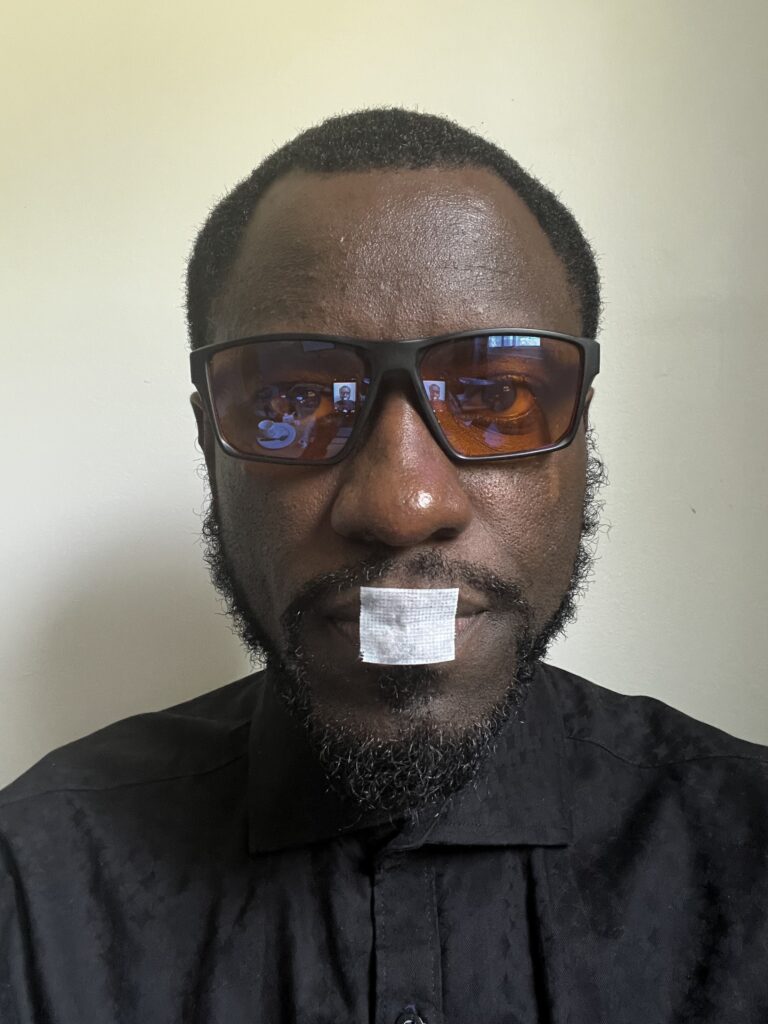
That’s how I look a few minutes before I sleep. Wondering why? Read on to learn.
In this article, I’ll walk you through:
- What sleep hygiene really means (beyond vague tips),
- The habits, principles, and practices that actually reset your energy and focus,
- And why sleep tracking changed my life—and my clients’—without tech overwhelm or expensive wearables.
Let’s discuss the importance of sleep hygiene—not as another task on your to-do list but as a daily lever to reclaim your clarity, emotional control, and sustainable high performance.
Because better sleep isn’t just about rest.
It’s about resilience.
Sleep Hygiene Principles
The foundation of quality sleep isn’t built on hacks or one-off tips—it’s rooted in behavioral neuroscience. Sleep hygiene principles are the evidence-based anchors that realign your biology with your behavior. They shape how your brain responds to cues around rest, alertness, and recovery.
One of the most powerful principles is stimulus control: reserving your bed strictly for sleep and/or intimacy. When you use your bed for working, eating, or scrolling, you blur the mental association between your sleep environment and rest, reducing your brain’s ability to initiate sleep.
Another essential principle is sleep regularity—going to bed and waking up at the same time daily, even on weekends. This trains your circadian clock and stabilizes hormonal rhythms.
A 2024 review published in Sleep Health found that nearly 40% of sleep intervention studies emphasize regular sleep and wake times as essential for improving sleep outcomes and reducing fatigue (Science Direct).
Additionally, a large-scale 2025 study reported in Health Data Science revealed that irregular sleep patterns increased the risk for 172 diseases, from metabolic dysfunction to mental health decline—underscoring how foundational sleep hygiene is to long-term health (New York Post).
You can see the research evidence that supports the health benefits of proper sleep hygiene practices.
Sleep Hygiene Practices
While habits form the skeleton, practices are the muscle of effective sleep hygiene. They are proactive, intentional steps that integrate body, mind, and environment to deepen sleep quality—not just quantity. And they go far beyond avoiding caffeine.
One critical practice is sleep journaling—capturing when you go to bed, how long it takes to fall asleep, nighttime awakenings, and perceived restfulness upon waking.
These small data points expose patterns and empower course correction. Another is mouth-taping or nasal breathing training to reduce nocturnal oxygen deprivation, especially if mouth-breathing disrupts your REM cycles.
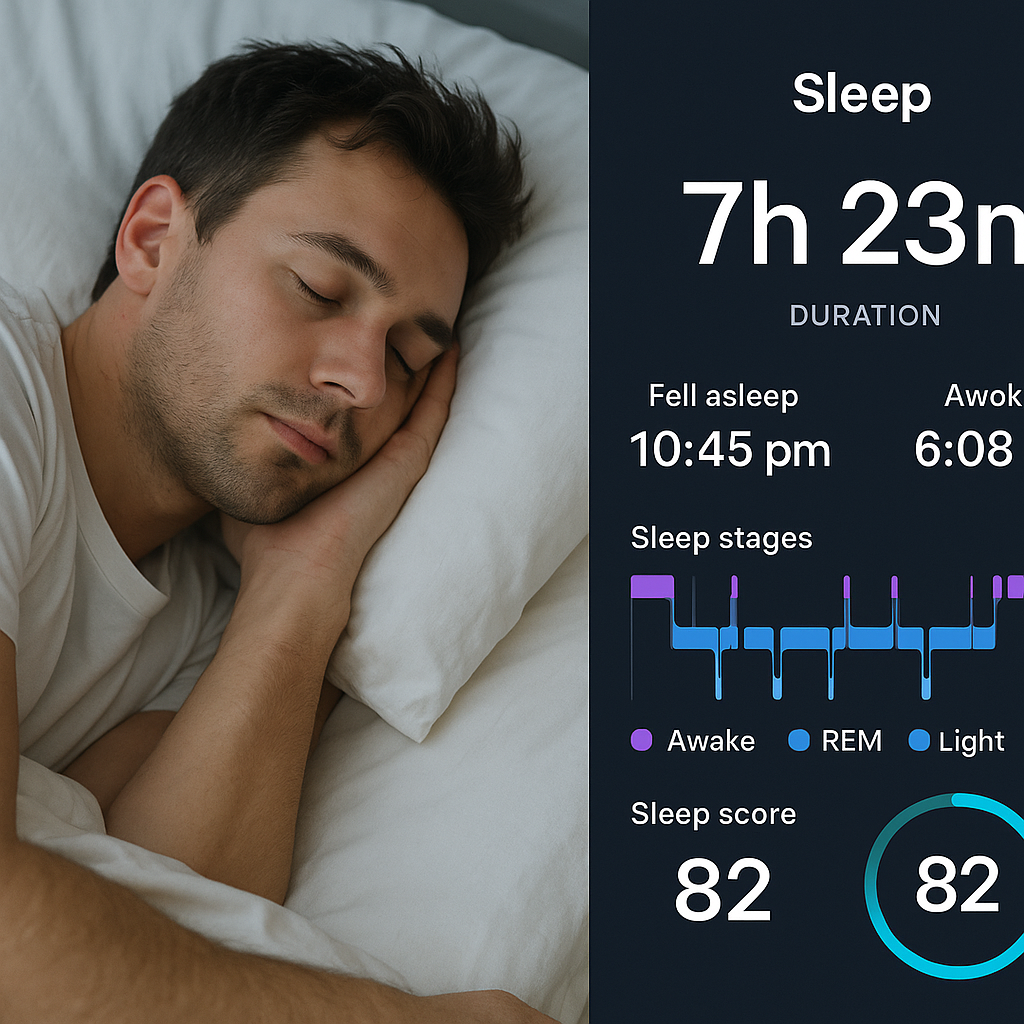
I applied this to my own life using a free tracker and a simple nightly journal. Within days, patterns emerged: I overestimated my actual sleep time and consistently woke up groggy due to shallow breathing.
I added intentional wind-down cues—breathwork, warm lighting, and a cognitive shutdown ritual—and began waking up with clarity instead of confusion.
Sleep practices aren’t passive. They require tuning in, not tapping out.
Next: the principles that drive sustainable, high-quality rest.
My sleep tracking experience
I decided to quit guessing and started tracking my sleep to get data.
Not with a fancy subscription or wearable—just a free tool and a simple digital journal.
Here are some of the things I recorded each night and upon waking up:
✅ When I got into bed,
✅ How long it took to fall asleep
✅ When I woke up vs. when I got out of bed
✅ Rated how refreshed I was upon waking
✅ Energy levels in the morning
After a few days of researching, journaling and intentionally tracking my sleep behaviours,I found out that:
🔴 I was mouth-breathing during sleep (leading to low quality oxygenation to my brain)
🔴 I stayed in bed too long after waking up (confuses the brain’s circadian rhythm)
🔴 As shown in the image, my actual sleep time was shorter than I believed
🔴 My tiredness was due to multiple factors in addition to poor quality sleep.
So I started following the same behavioral sleep medicine strategies I give to my clients.
And guess what? Over a few days of being consistent, I gradually noticed that:
✅ My energy improved upon waking and during the day.
✅ I woke up refreshed
If you’re a high-achieving physician, entrepreneur, or professional:
You deserve more than sleep hygiene tips. You deserve real data. And data leads to self-compassion—not perfection.
My specific recommendations are:
- Step 1: I set a strict wind-down alarm, not just a wake-up one
- Step 2: Started wearing blue-light blockers after 8 p.m because I still used my phone late.
- Step 3: I journaled before sleeping and upon waking up
- Step 4: I practiced 5-min breathwork routine before sleeping
- Step 5: I started using a mouth tape to sleep because I was mouth breathing.(Use this with caution and get a health expert recommendation to exclude nasal blockage before using).
- Step 6: Committed to a consistent sleep and wake-up time
How to improve sleep Hygiene
Sleep hygiene is a system of behaviors that signals your brain it’s time to unwind, repair, and reset. In our high-velocity world, many professionals default to “collapse” mode: working till late, checking emails in bed, or numbing out with Netflix. These micro-decisions erode your sleep architecture and confuse your internal clock.
The cornerstone of improving your sleep hygiene is creating sleep habits via consistency. Going to bed and waking up at the same time—even on weekends—reinforces circadian stability.
Reducing light exposure one hour before bed cues melatonin release, while cutting off stimulating activities (like intense meetings or doom-scrolling) prevents cortisol spikes that delay sleep onset.
In my own experience, I followed a strict bedtime but overlooked how long I lingered in bed after waking. That alone dulled my mornings. When I began recording wake-up-to-get-up latency, it exposed how my brain remained in limbo—foggy, fatigued, and misaligned with the day ahead.
Habits matter. But habits without awareness? That’s just autopilot.
Mastering the importance of sleep hygiene is not about rigid rules but about intentional habits, thoughtful practices, and science-backed principles that transform how you rest and recover. The core lesson? Better sleep comes from understanding your unique rhythms and behaviors—not guessing in the dark.
By embracing consistency, tracking your patterns, and aligning your environment and mindset, you reclaim your energy and sharpen your focus—fueling sustainable high performance without burnout. This shift isn’t theoretical; it’s proven by both cutting-edge research and real-world experience.
Are you ready to stop guessing and start sleeping with purpose?
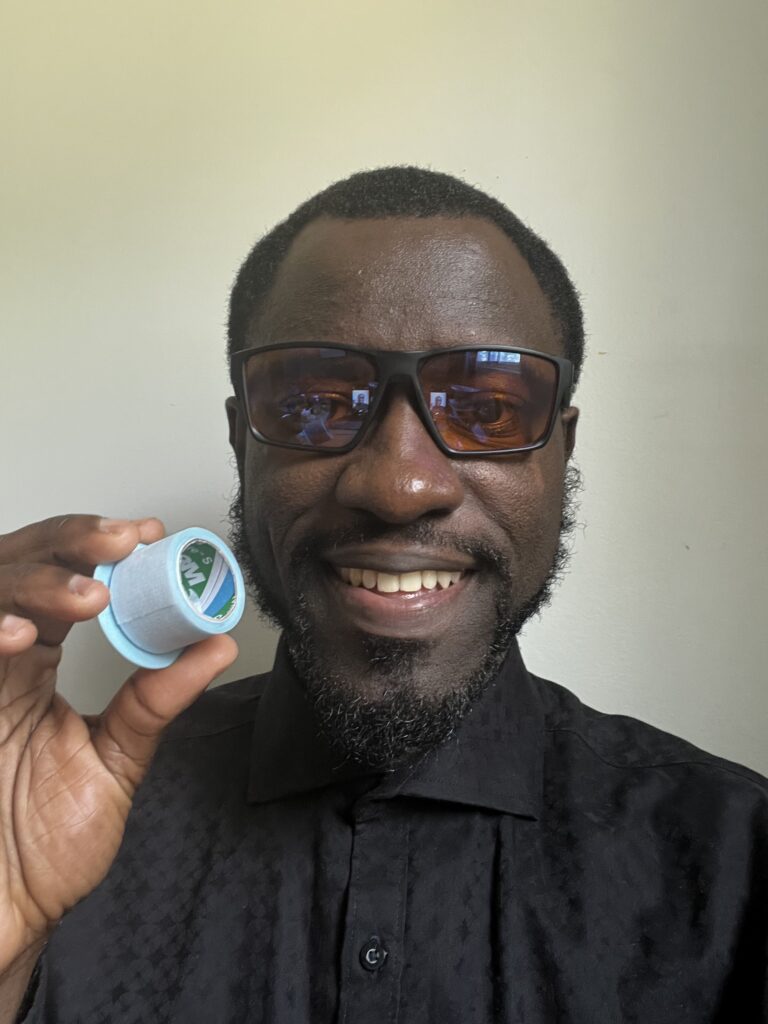
Here are four simple tools I use daily to support my sleep transformation:
- Check out the sleep mouth tape I use to help reduce mouth breathing
- Check out the blue light blockers I use if you work at night and want to sleep well
Comment below to share your sleep experience, and if this article helped you, please share it with others who need better rest. Take that first step tonight—and stay tuned for how to leverage these insights into emotional resilience and peak mental fitness.